
It's Coming Home
The Imperial Boomerang

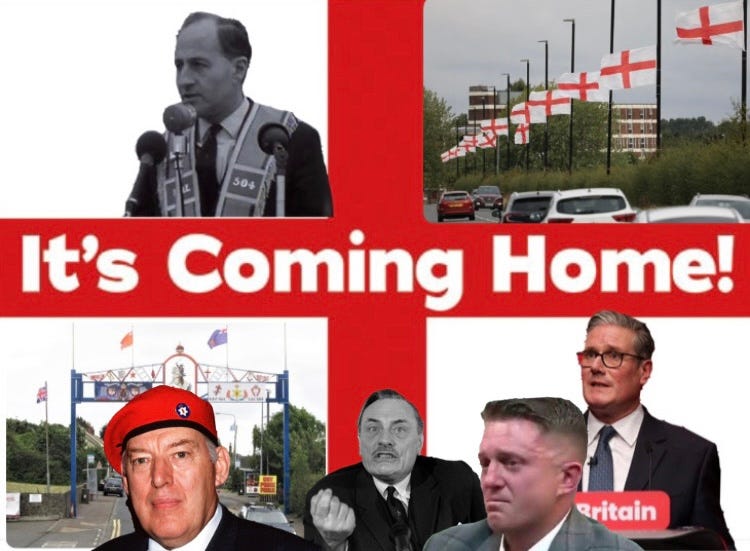
There has never been a good British government.
For every shadow in the world, you can guarantee it has been haunted by a spook of the British government lurking in the dark thirsting for blood. Starmer represents the snivelling, liberal English middle class who view themselves as polite and civil like Paddington Bear but one inconvenience away from Ian Paisley or Enoch Powell. The middle class of Britain can forgive the complete annihilation of Iraq and Libya, but not the unforgivable crime of leaving the EU. Starmer encapsulates this with his good neighbour rhetoric at the Labour conference, which basically boils down to:
“We may gun down or aid the murder of civilians in other countries, but also we thank the bus driver ”
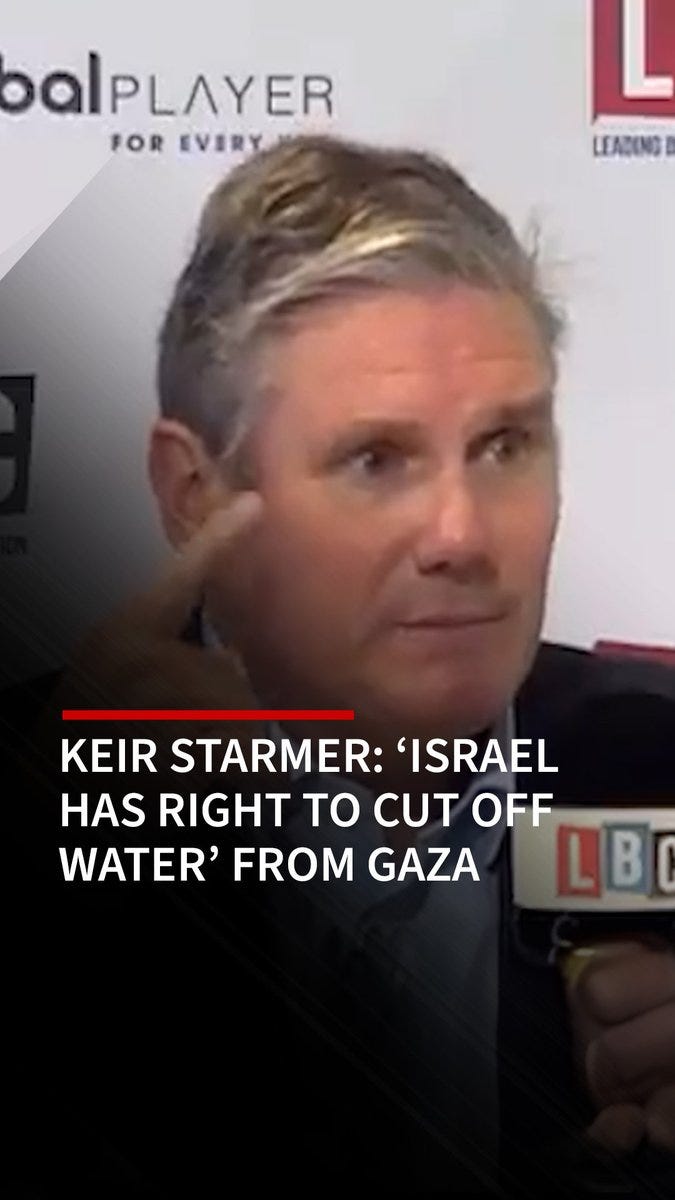
His leadership reminds me of the Ulster Unionist government in the north of Ireland throughout the 60s in the lead up to the Troubles.
Terrance O’Neill became the prime minister of the Northern State in 1963, replacing the more blatantly sectarian Basil Brooke, who was the commandant of the Ulster Special Constabulary, often referred to as “The B Specials”, a fascist Protestant militia in the north of Ireland which recruited from the Orange halls and absorbed most of Edward Carson’s private army, the Ulster Volunteer Force.
O’Neill represented the “moderate” faction of the Ulster Unionist Party and often saw himself as a great liberal reformer.
The growing anger of the Catholic minority regarding inequality in all factors of life and the constant state violence from the Protestant-dominated police force saw the creation of the non-sectarian Northern Ireland civil rights movement in 1967.
When it came to putting his money where his mouth was, O’Neill proved to be all fart, no shite.
He delivered bare minimum reforms to the Catholic population. Terrance O’Neill tried to disguise his empty promises with gesture politics. Normalizing north and south relations, meeting with the Taoiseach Sean Lemass with great dismay of the unionist population and did very little to change the material conditions of the Catholic minority.
By the end of the 60s, his unionist base had grown tired of him. The crumbs he threw at the Catholics were going too far for the unionist community, who were beginning to show more favor to O’Neill’s rival, the radical hate preacher Reverend Ian Paisley.
Members of People’s Democracy, a socialist group led by students of Queen's University, set out to march from Belfast to Derry based on the US Civil Rights March led by Martin Luther King from Selma to Montgomery.
The Belfast to Derry march was for one man, one vote, the end of gerrymandering of boundaries and the end of the Draconian special powers act.
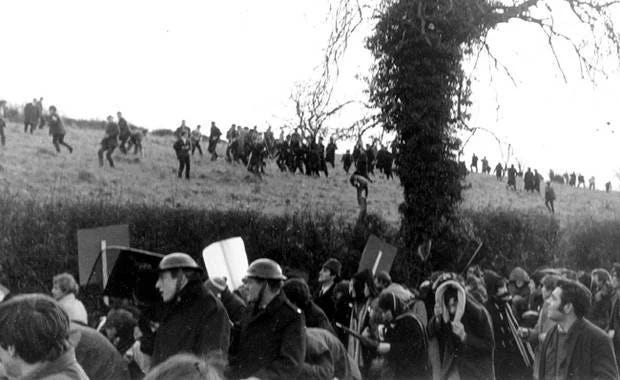
The marchers were attacked outside of Derry at Burntollet bridge by the followers of Ian Paisley, who descended the hillside armed with iron bars, stones and nail-riddled bats.
The police stood by as the marchers were beaten. Many of the attackers were part-time members of the B Specials.
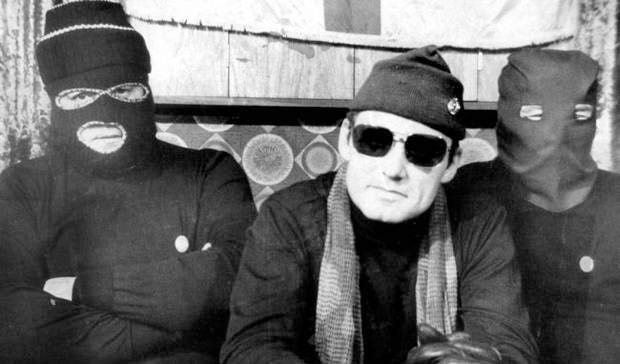
After a series of false flag bombings on water supply by the recently reformed Ulster Volunteer Force in 1966, who had already killed the first victim of the troubles and Ian Paisley’s Ulster Protestant Volunteers were blamed on the dormant Irish Republican Army to show O’Neill had lost control.
Paisley attempted to dethrone O’Neill in his constituency in April 1969, while Paisley did not succeed; it was a strong enough performance to damage O’Neill’s reputation as the leader of Unionism and weakened his grip on government. This led to O’Neill’s resignation shortly after.
Nowadays, O’Neill gets his image rebranded and is often portrayed as the model for contemporary liberal unionism. It is often said he was ahead of his time. But in reality, when he had the chance to give the oppressed minority of the north its full rights, he did not. When he had a chance to demolish the orange monopoly in the north, he did not. He was quite happy leading the Catholic population on with promises as long as it did not threaten the Orange State.
In the brightest orange, O’Neill’s colors were revealed in the company and organizations he associated with. He was a member of not just the Orange Order, he was also an Apprentice Boy and the Orange Order's prestige organization, the Royal Black Institution.
Ian Paisley’s hate-filled rhetoric went on to influence pogroms, bombings and murders and is often not credited enough as one of the figures who contributed heavily to the start of the troubles.
One of Ian Paisley’s early moments in the spotlight was in 1964. Paisley threatened to march a loyalist mob down the predominantly nationalist Divis street to remove a tricolor that hung from the window of a Sinn Féin office.
Under the Northern governments Flags and Emblems Act, it gave the RUC the right to remove any flag that would be deemed a breach of the peace. Of course, this act excluded the Union flag. So only the flag of the Irish republic was considered provocative.
Fear was sent through the Catholic community that a pogrom could be impending as many times before throughout the northern states' history. The O'Neill government sent in 50 RUC officers to smash the Sinn Féin office and remove the flag before Paisley could claim the victory.
Nationalists flooded the street witnessing the removal of the tricolor from the Sinn Féin office. Paisley held multiple victory rallies throughout the week at Belfast city hall. Riots broke out and heavily armed RUC officers stormed Divis Street and the Falls Road. Hundreds were injured and around 20 people were arrested, including a mother of eight. Paisley got his way without moving an inch.
In 1971, Paisley founded the Democratic Unionist Party. Throughout the conflict, it had involvement in setting up a loyalist paramilitary group known as the Ulster Resistance Movement which had close ties to various loyalist paramilitary groups.
The Ulster Resistance aided in smuggling a large cache of Israeli weapons from the Apartheid South Africa regime into the North of Ireland in 1988. They were shared out among the loyalist death squads and were used as part of the loyalist terror campaign of the 90s in various pub shootings.
The Democratic Unionist Party are now the main unionist party in the Stormont government and as for the Ulster Unionist Party, they have gone the way of the Dodo.
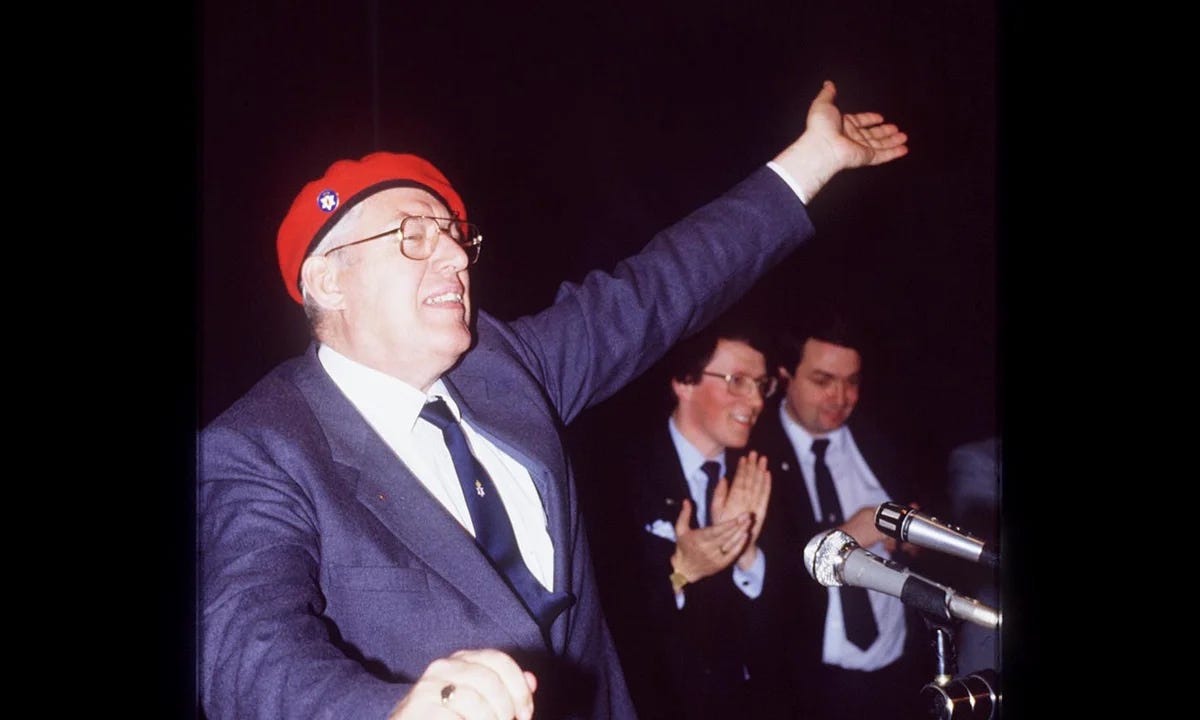
Ulster Loyalist influence can be seen within the modern British Far Right, inciting pogroms and erecting union jacks, and the painting of the kerb stones red, white and blue as in what they call Operation Raise the Colours, often promoted by the likes of online grifters like Tommy Robinson.
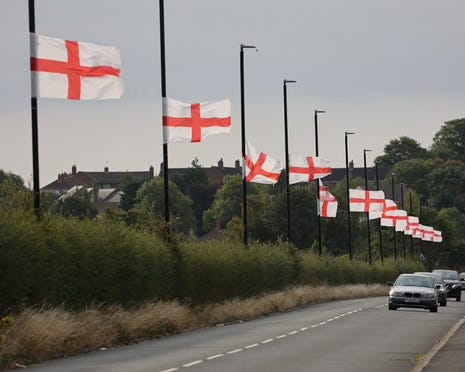
It has been praised as patriotic by British party leaders across the board, including Starmer. The flags have very little to do with patriotism, they are nothing more than an unspoken threat.
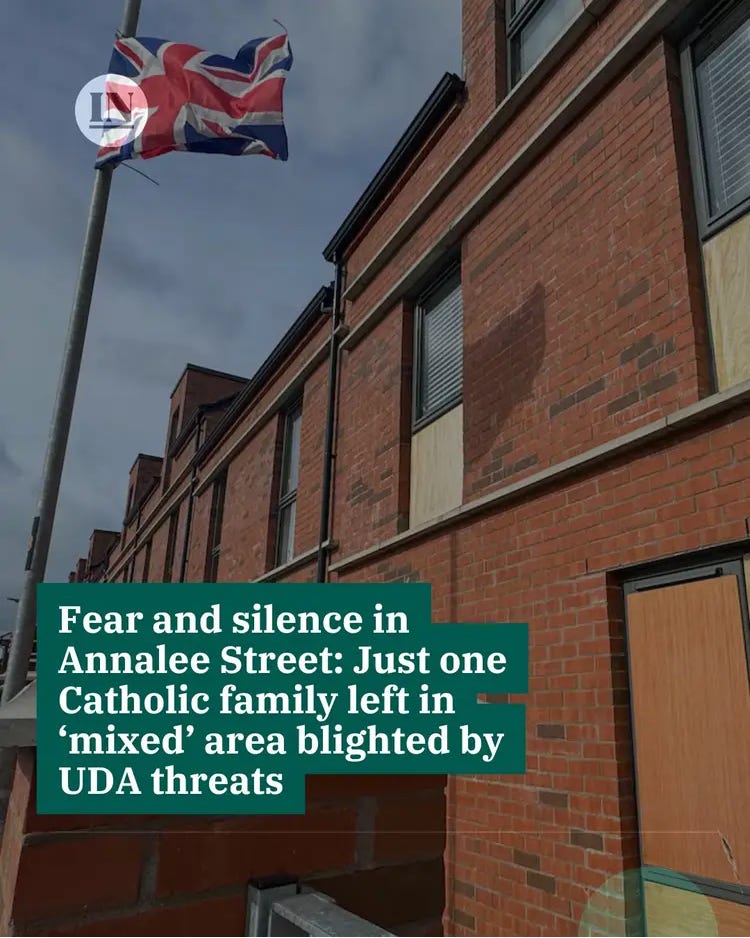
Catholic families in the north who live on predominantly Protestant estates and mixed housing estates in Belfast are forced to flee their homes on a yearly basis because of unspoken threats, like the hanging of union flags outside the only Catholic homes on the estate.
It escalates to spoken threats like smashed windows, graffiti, death threats and a loyalist narco paramilitary show of strength on their doorstep and all done freely without intervention from the law.
As many have pointed out, the island of strangers' speech spouted by Starmer closely resembles Enoch Powell’s River of Blood speech. It’s important to point out Powell was welcomed with open arms as a member of the Ulster Unionist Party. And was placed in a Westminster seat in South Down for 13 years.
When I see civilians, young and old, protesting against the genocide being beaten and arrested by police, political prisoners thrown in prison, branded as terrorists and put on remand are left to starve, while the far right spreads their influence almost completely untouched, echoes back to the sound of batons, internment and collusion of the security forces and loyalist paramilitaries.
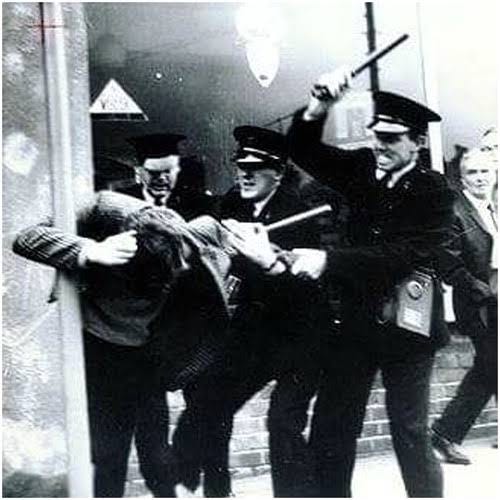
The brutality that was enacted by Britain onto nations across the world hidden only by distance is soaring across the waves on a return ticket to mother England.
It is coming home.
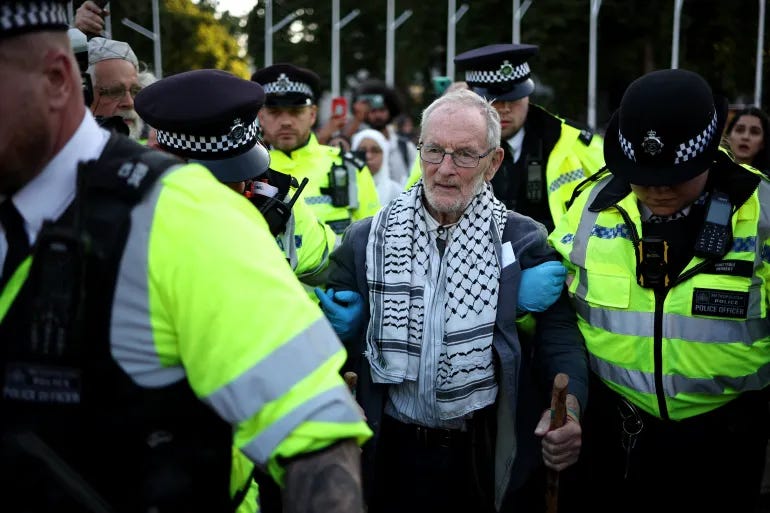
What I don’t see is Britain going through a rather bad moment. What I see is the true face of not just Starmer and his group of ghouls that surround him, but also the true face of British social democracy in its entirety.
The blunt force of the police baton, the incitement of hatred, the pandering to right-wing extremists, the pogroms, the suppression of protests, rubbing shoulders with apartheid regimes, the aiding of massacres of children, stepping on the poor and vulnerable to uphold the interests of the rich.
Such brutality and wickedness goes beyond one single bastard like Starmer, Johnson, Blair and Thatcher, who is installed in the core of the British state.
That’s real Britain.
Starmer will be eaten up by the very reactionary wave he is trying to suck up to. You can replace him with another miserable bastard and it will not change anything.
Much like O’Neill, who was replaced by James Chichester Clarke, who in August 1969 requested the British government to send in the British army, and the British government under Labour obliged, the soldiers went on to massacre Catholic civilians over a 30-year period in the name of maintaining law and order and keeping the peace.
In other words, maintaining the Orange state.
But you know, it was done “labourly.”
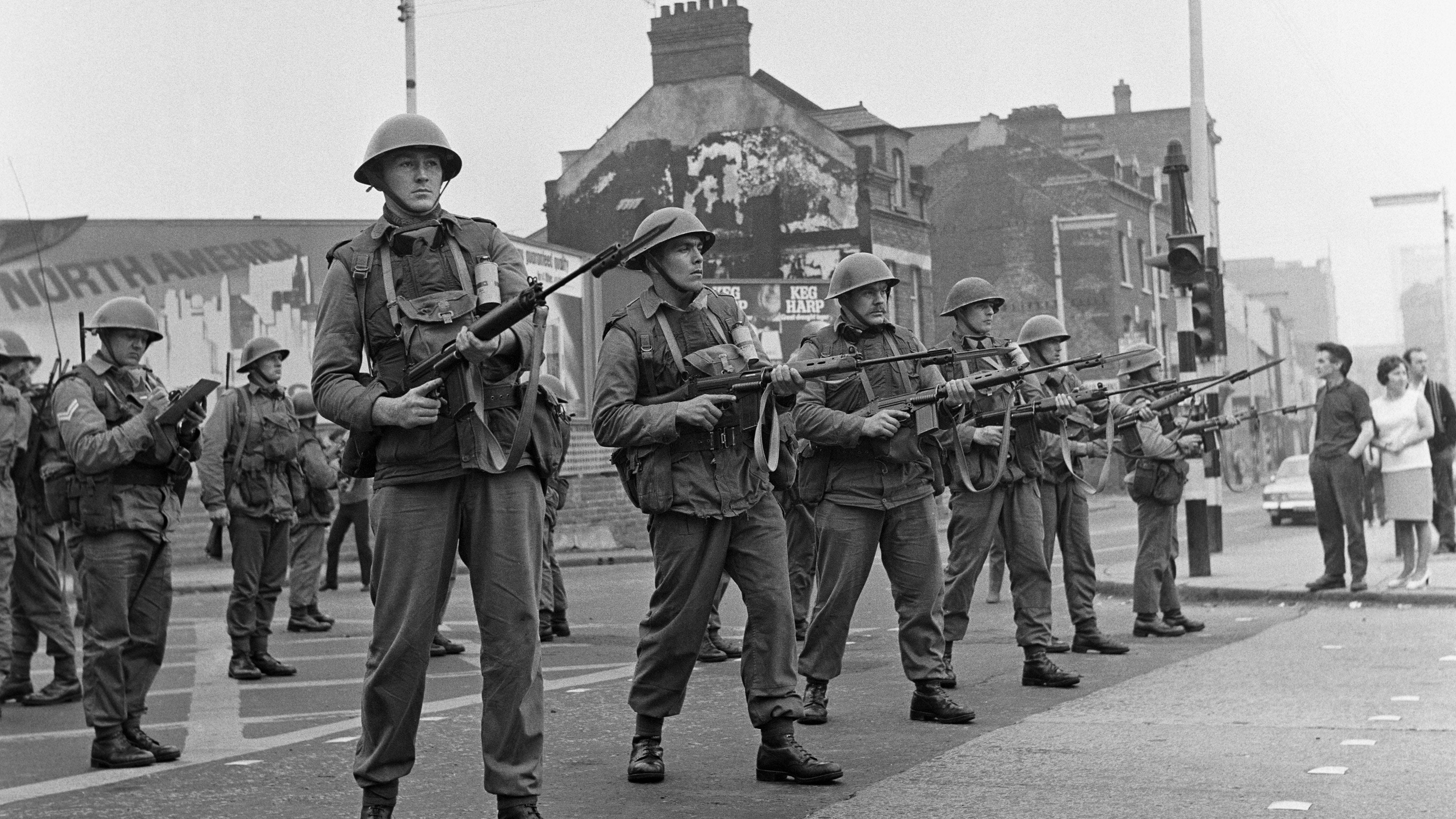
Chichester was then replaced by Brian Falkner, who was the man that introduced internment in 1971, which saw the mass arrests without trial or conviction of innocent civilians, mostly Catholics and put in internment camps. In 1972, the Stormont government collapsed. He was the last Prime Minister of Northern Ireland.
And now political prisoners are hunger striking within British prison cells for protesting against genocide. Starmer is about to have his Thatcher moment.
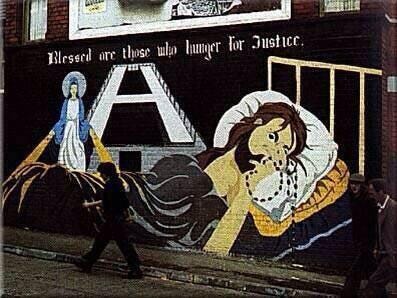
England, the ghosts of Ulster are knocking on your door.